L'Art de la Défense Verticale
Les Machicoulis de Boulbon
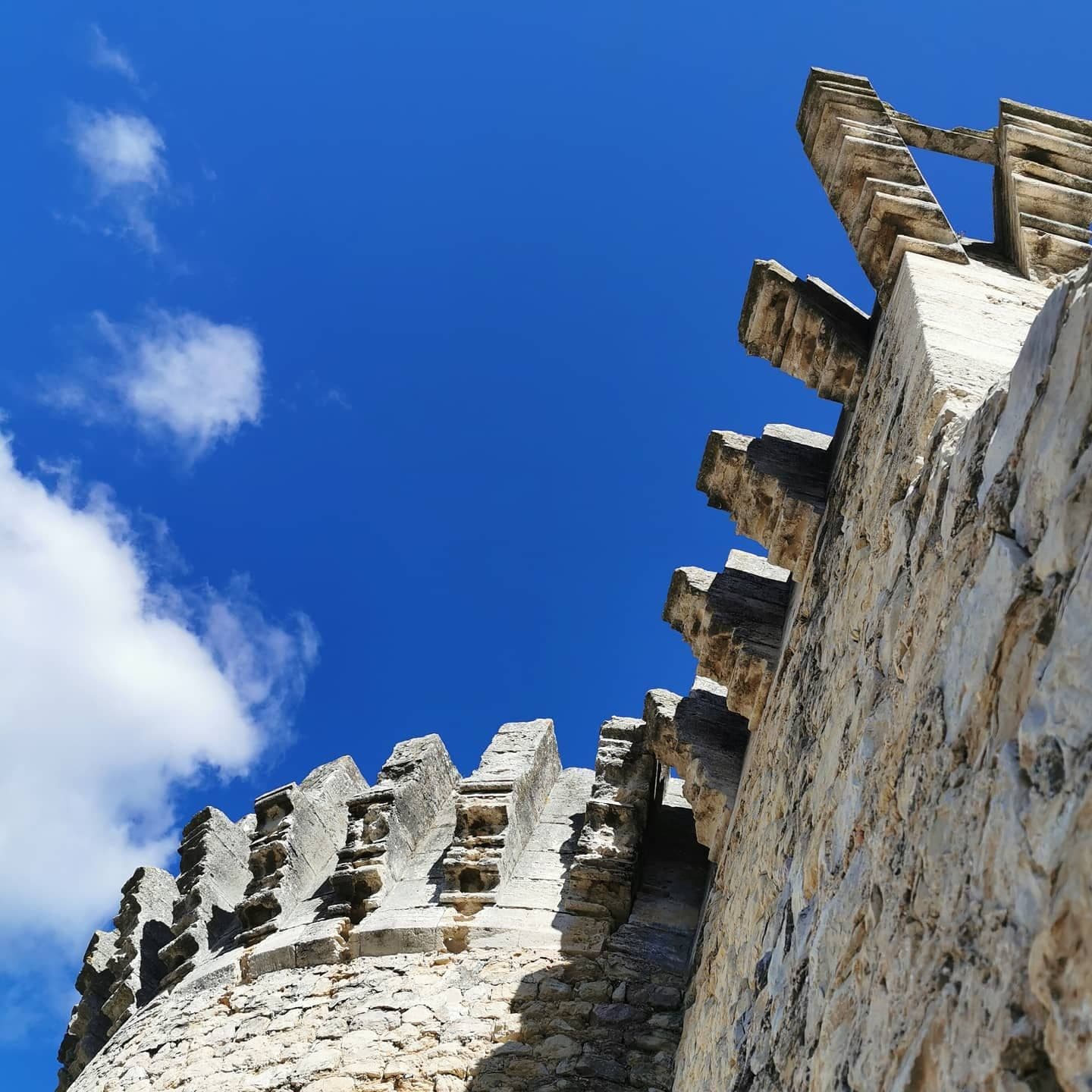
Machicolations emerged in the 13th century to replace wooden "hoardings"—temporary and flammable galleries—with permanent corbelled stone structures. Their primary purpose was to eliminate the blind spot at the base of the ramparts: they allowed defenders to drop stones, projectiles, or burning materials directly onto attackers without exposing themselves to return fire.
At the Château de Boulbon, the 14th-century machicolations are particularly impressive. They crown the high curtain walls and the keep, protecting the fortress’s steep access against raids during the periods of unrest between France and the Comtat Venaissin. Beyond their military function, they lend the castle its stately and intimidating silhouette, transforming a defensive necessity into a symbol of lordly power that still proudly overlooks the Rhône plain.